
5 Most Common AC Problems in Houston (And How to Fix Them)
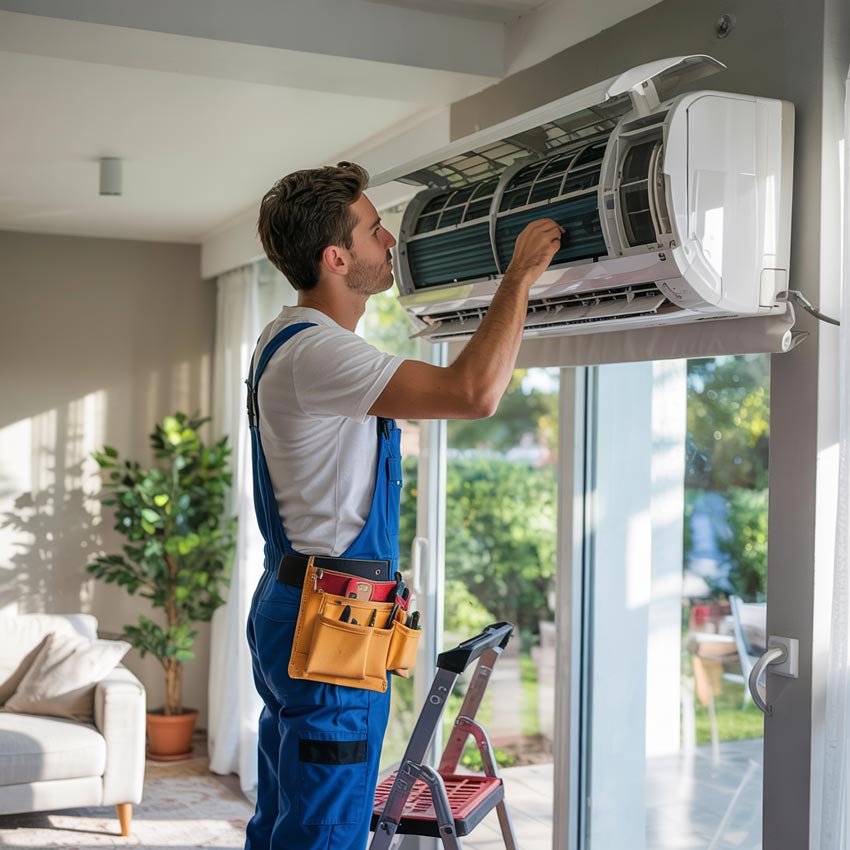
Houston’s combination of extreme heat and high humidity creates the perfect storm for air conditioning problems. Your AC doesn’t just cool the air—it also removes moisture, and doing both simultaneously in Houston’s climate puts enormous stress on the system.
Understanding the most common AC problems helps you know when you can troubleshoot yourself and when it’s time to call for professional help. Here are the five issues Houston homeowners face most often.
Problem #1: AC Not Cooling Properly
What it looks like: Your AC is running, but the house isn’t getting cool. Or it’s taking much longer than usual to reach the set temperature.
Common causes in Houston:
- Dirty air filters – Houston’s pollen and humidity clog filters quickly
- Refrigerant leaks – The constant workload can cause wear on refrigerant lines
- Frozen evaporator coils – Often caused by restricted airflow
- Outdoor unit problems – Debris blocking the condenser or dirty coils
What you can do:
- Check and replace your air filter
- Verify the thermostat is set to “cool” and the desired temperature is below current room temp
- Check that the outdoor unit is running
- Ensure all vents in your home are open and unblocked
When to call for help: If these steps don’t resolve the issue, you likely have a refrigerant leak, frozen coils, or compressor problem. These require professional diagnosis and repair. Our AC repair service handles everything from minor fixes to major component replacement.
Don’t let a struggling AC continue to run—it wastes energy and can cause additional damage to other components.
Problem #2: Sky-High Energy Bills
What it looks like: Your electric bill jumps significantly during summer, even though your usage habits haven’t changed.
Common causes in Houston:
- System inefficiency from lack of maintenance – Dirty coils make the system work harder
- Duct leaks – Especially common in Houston’s older homes
- Aging system – Units lose efficiency as they age
- Incorrect thermostat settings – Or an outdated thermostat
- Oversized or undersized system – Wrong-sized equipment runs inefficiently
What you can do:
- Compare your current bill to the same month last year
- Check for air leaks around windows and doors
- Verify your thermostat isn’t set too low (78°F is recommended)
- Review your thermostat schedule if you have a programmable model
When to call for help: A professional system tune-up often resolves efficiency issues. During the service, technicians clean coils, check refrigerant levels, test electrical connections, and optimize system performance. These tune-ups typically improve efficiency by 15-20%, often paying for themselves within a single cooling season.
For comprehensive strategies to reduce your costs, read our complete guide to lowering your Houston cooling costs.
Problem #3: Frozen Evaporator Coils
What it looks like: Ice forming on the copper refrigerant lines or the indoor coil. You might notice reduced airflow or water leaking from the indoor unit.
Why it happens in Houston: Frozen coils seem counterintuitive in Houston’s heat, but they’re actually common. The primary cause is restricted airflow, which prevents the coil from absorbing enough heat. When refrigerant can’t absorb heat properly, it gets too cold and freezes condensation on the coil.
Common causes:
- Dirty air filter (the #1 culprit)
- Blocked return vents
- Dirty evaporator coil
- Low refrigerant due to leaks
- Blower fan problems
What you can do:
- Turn off your AC immediately—running it with frozen coils causes damage
- Let the ice melt completely (this can take several hours)
- Replace the air filter
- Check that all vents are open
When to call for help: If the coils freeze again after thawing, you have a deeper issue requiring professional diagnosis. This could be a refrigerant leak, failing blower motor, or ductwork problems.
Regular seasonal maintenance prevents most frozen coil issues by catching airflow problems before they cause freezing. In Houston’s demanding climate, twice-yearly maintenance is essential preventative care.
Problem #4: Strange Noises or Smells
What it sounds/smells like:
- Grinding or squealing – Belt or motor bearing problems
- Banging or clanking – Loose or broken components
- Hissing – Refrigerant leak
- Buzzing – Electrical issues
- Musty smell – Mold in ductwork or drain pan
- Burning smell – Electrical problem or overheating motor
What you can do: For musty smells, replace your filter and check the condensate drain pan for standing water. Clean the pan with a mild bleach solution if you see algae or mold.
For any burning smell, turn off the system immediately and don’t restart it until a professional has inspected it.
When to call for help: Most unusual noises and smells indicate problems that will worsen without professional attention. What starts as a small bearing issue can become a complete compressor failure if ignored.
Strange noises or burning smells require immediate attention through our emergency AC repair service. These warning signs often precede major component failure, and catching them early can save thousands in repair costs.
Problem #5: Thermostat Malfunctions
What it looks like:
- AC doesn’t turn on or off at the set temperature
- Temperature readings seem inaccurate
- Display is blank or showing error messages
- System short-cycles (turns on and off frequently)
Common causes:
- Dead batteries
- Incorrect thermostat placement (near heat sources or in direct sunlight)
- Loose wiring
- Old, failing thermostat
- Dirty thermostat sensors
What you can do:
- Replace batteries if applicable
- Clean around the thermostat gently with a soft brush
- Check that it’s level on the wall
- Verify the circuit breaker for the AC is on
When to call for help: If basic troubleshooting doesn’t work, your thermostat may be failing or incorrectly wired. Rather than replacing an old thermostat with another basic model, consider upgrading to a smart thermostat.
Our smart thermostat installation service includes models that:
- Learn your schedule and adjust automatically
- Can be controlled from your phone
- Provide energy usage reports
- Alert you to system problems
- Optimize runtime for maximum efficiency
In Houston’s long cooling season, smart thermostats typically save 10-15% on energy costs, paying for themselves in 1-2 years.
Prevention: The Best Solution
Most of these common problems can be prevented with regular maintenance. Houston’s demanding climate requires more frequent service than moderate climates—twice yearly is ideal.
Our guide on how to prepare your AC for Houston summer covers both DIY steps and professional maintenance that keeps your system running reliably.
Experiencing AC Problems?
Don’t wait for a small issue to become a major breakdown. Whether you’re dealing with cooling problems, strange noises, or just want peace of mind that your system is ready for Houston’s heat, we’re here to help.
Schedule your service appointment today or call us at (281) 555-HVAC. For urgent issues that can’t wait, our emergency line is available 24/7 at (281) 555-EMRG.